

Is Biodynamic Wine Occult?
This Halloween, get witchy with an under-$20 bio bottle.

Last year, lawmakers in Italy blocked a bill that would have categorized biodynamic farming similarly to organic farming, allowing producers to qualify for government funding and subsidies.
Politicians blocked the bill on the advice of a large group of scientists who argued that biodynamic farming—a century-old practice that calls for a holistic, even cosmic approach to agriculture—is a pseudo-science, with one senator comparing it to the flat-earth movement. Several news reports quoted Nobel-winning physicist Giorgio Parisi declaring: “Frankly, it’s witchcraft.”

That’s an interesting choice of word. Several of the greatest wineries in the world employ biodynamic techniques in the vineyard, including Burgundy icons like Domaine Leflaive, Domaine Michel Lafarge, and Domaine de la Romanée-Conti. That would suggest that winemakers with the greatest resources at their disposal have discovered qualitative improvements from biodynamics, and instituted the techniques at considerable time and labor costs.
On the other hand, certain elements of biodynamic farming are undoubtedly the witchiest thing about wine—a topic I thought would be worth touching on with Halloween just around the corner.
The pioneer of biodynamic principles was a German thinker of the 1920s named Rudolf Steiner, who created a school of thought called anthroposophy. The author of books like Occult Science: An Outline, he’s a figure far too strange and interesting to try to fully describe here. But one of the main tasks of his writing was to attack what he viewed as the blind materialism of his time. The world, and farmers in particular, had lost touch with the spiritual element of the universe. Man’s activities had become dissonant with the cycles of nature and spirit.
In a series of lectures, he proposed several biodynamic preparations designed to stir life back into soils sterilized by chemical use and pesticides following World War I. Among the most notorious of these preparations used by winemakers today is burying a cow horn filled with manure. After six months, the horn is dug up and the organic materials are converted into a spray. A companion practice involves burying a horn packed with finely ground silica crystals.

He also advocated for synchronizing certain agricultural activities with the lunar calendar, and for a host of herbal treatments, including dried yarrow flowers sheathed in the stag bladder of a red deer.
Starting to sound pretty witchy, right? Of course, the details of which animal organ to pair with which plant distillate, while fascinating, are probably the least important part of Steiner’s legacy. Far more influential was his powerfully stated argument that soil should be understand and treated as a living thing—he often talks of the “deafness” of soil—and that farmers and winemakers should increase biodiversity of their vineyards and fields. The many winemakers today who are planting trees and hedges around vineyards, leaving land open to wildlife, encouraging insect and bird populations, and using compost and manure instead of chemical treatments are descendants of Steiner’s philosophy.
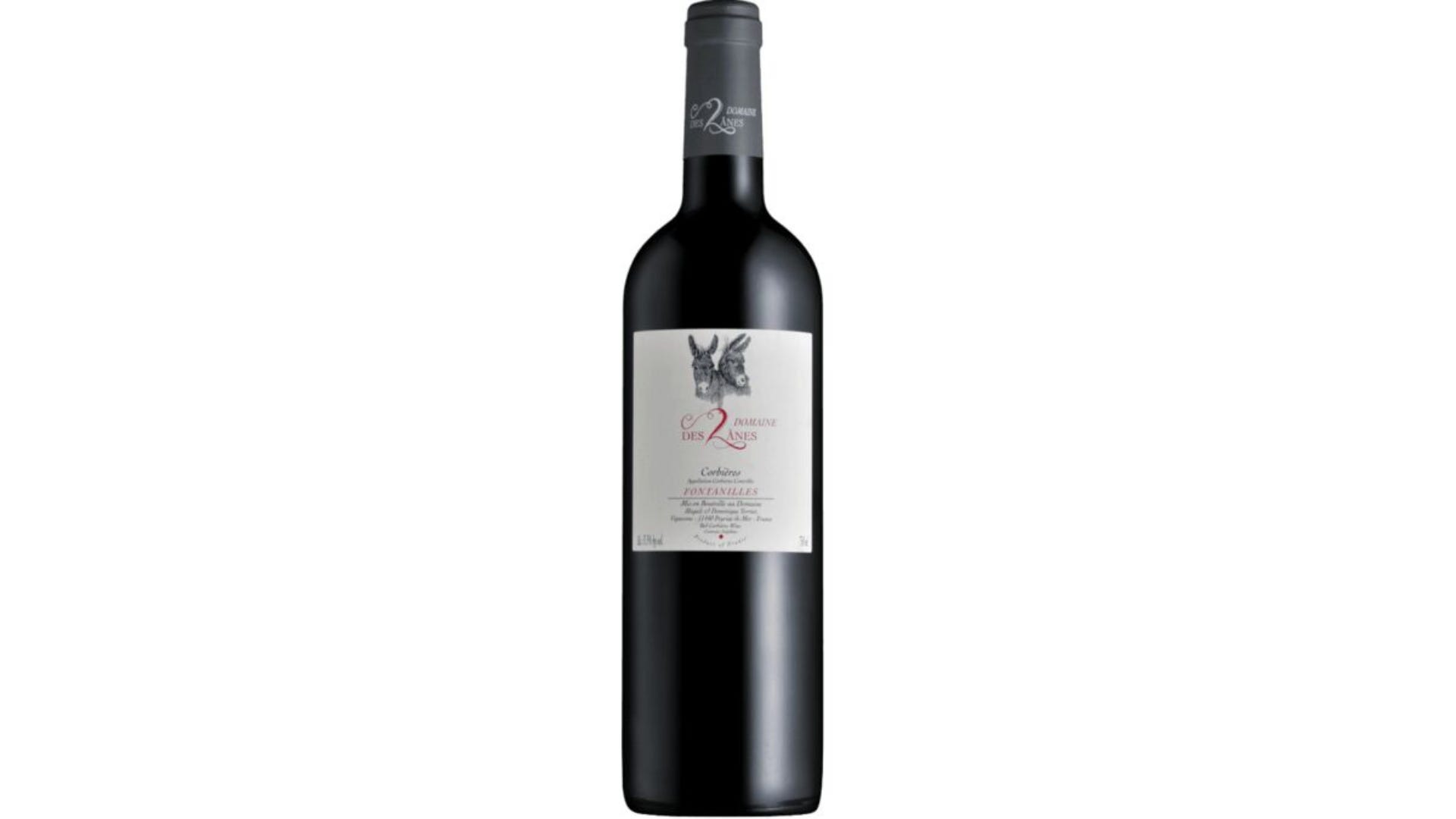
The gold standard of biodynamic farming today is Demeter certification. If you’re interested in trying a Demeter-certified biodynamic wine, there happens to be one for sale at FW&GS for less than $20: the 2019 Domaines des 2 Anes Fontanilles Corbieres. From the excellent importer Jenny & François Selections, this delicious wine hails from the village of Peyriac-de-Mer on the Mediterranean Coast in Franc. Here, winemaker Magali Terrier, who previously worked in Beaujolais and Jura, tends to 75-year-old vines aided by donkeys who help prune plants and fertilize the soils.
Made from ancient-vine Carignan, Syrah, and Grenache Noir, the Corbieres’s texture is lovely, rich and creamy, laced with Bing cherry, raspberry, and cinnamon. It’s a charmer, very pure and fresh.
Is it an occult wine—a product, as Parisi would have it, of witchcraft? Can you taste the greater life force channeled through the biodynamic practices? I’m not sure. But there’s no doubt in my mind that a more spiritual approach to winemaking, whether it’s that of Steiner or of the Benedictine monks who first discovered and cultivated Burgundy’s immortal vineyards, is a wise one.
I love this: amusing and inspiring.